


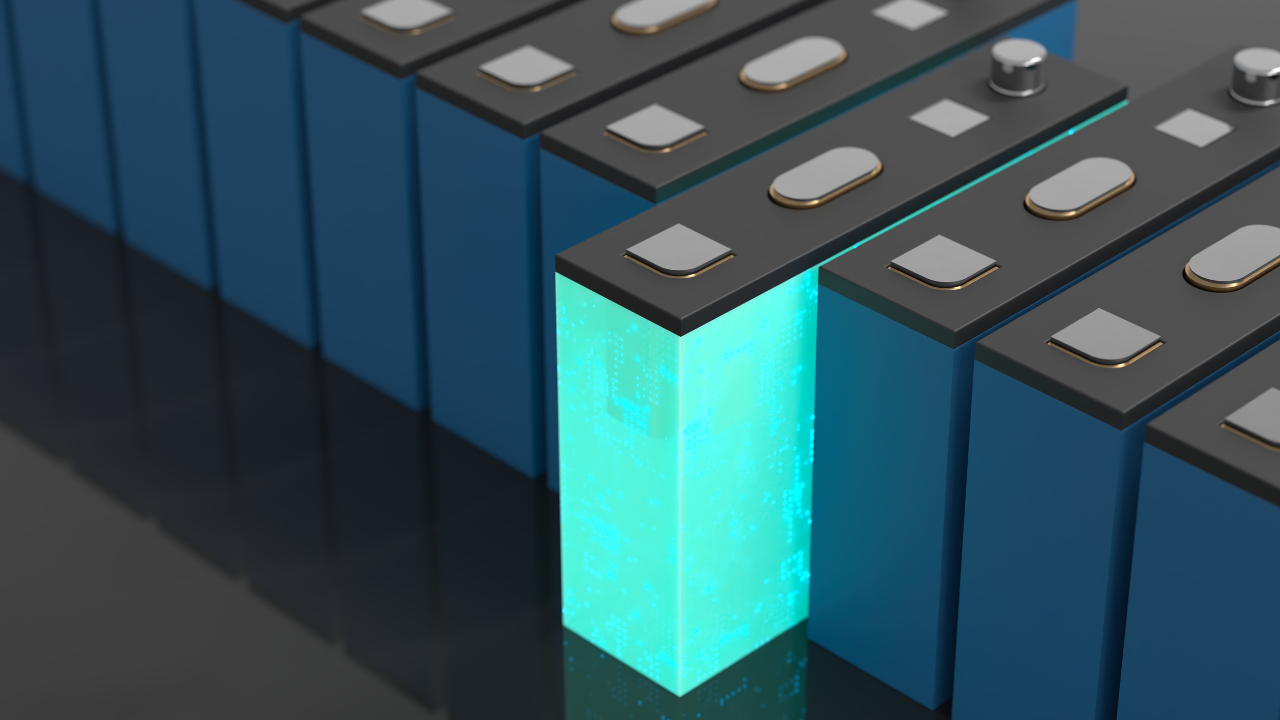

The principle of semi-solid batteries
In a conventional electric car battery, the electrolyte is a liquid that allows lithium ions to flow between the two poles of the battery. This system works well, but it has its limitations in terms of capacity and safety.
Future solid batteries will completely replace this liquid with a solid material: a promising revolution, but one that requires a complete rethink of the manufacturing process. Semi-solid batteries combine the best of both worlds by incorporating both solid and liquid elements. This hybrid approach delivers better performance while remaining compatible with current production facilities. This is a considerable advantage in accelerating their arrival on the market.
Concrete and measurable progress
The figures speak for themselves. A semi-solid battery can offer up to 800 kilometers of range in the European WLTP cycle, compared to 350 to 450 km for current batteries, and can be recharged in just 12 minutes. This performance comes from a redesigned composition based on nickel and manganese, with very little cobalt. This allows more energy to be stored in the same volume and optimizes safety, with reduced fire risks: a decisive industrial advantage!
Semi-solid batteries therefore represent a promising short-term solution, particularly thanks to their ease of industrialization. The advantage is that they are compatible with current production lines and are therefore less expensive than solid batteries.
Indeed, the great advantage of this technology is that it does not require any disruption to existing production lines, which makes all the difference in terms of costs and lead times. This industrial reality explains why some models equipped with this technology are already arriving in dealerships. The IM L6 with its 133 kWh battery is currently on sale in China, and the MG Cyber GTS and MG4 in semi-solid versions will soon be arriving in Europe.
A logical step towards the future
Of course, while semi-solid batteries mark an important stage in development, they are not the ultimate goal and are only a transitional step towards future 100% solid batteries. Once the manufacturing process for solid batteries is better understood, their cost will fall and they will become the norm thanks to their superior performance. This step-by-step progression has two advantages: it immediately improves the vehicles available, while allowing manufacturers to gain experience with solid electrolyte technologies.
What about tomorrow? Three technologies for three uses
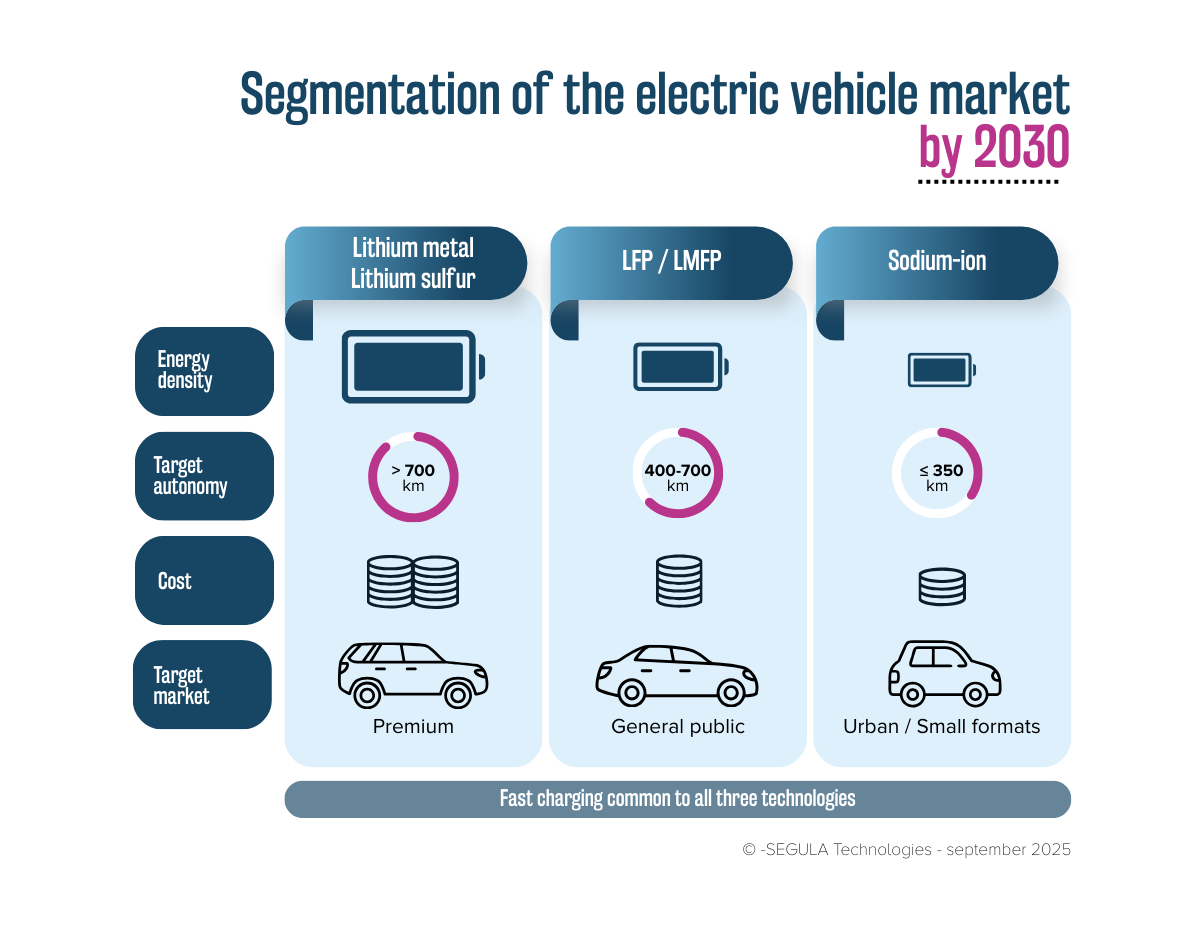
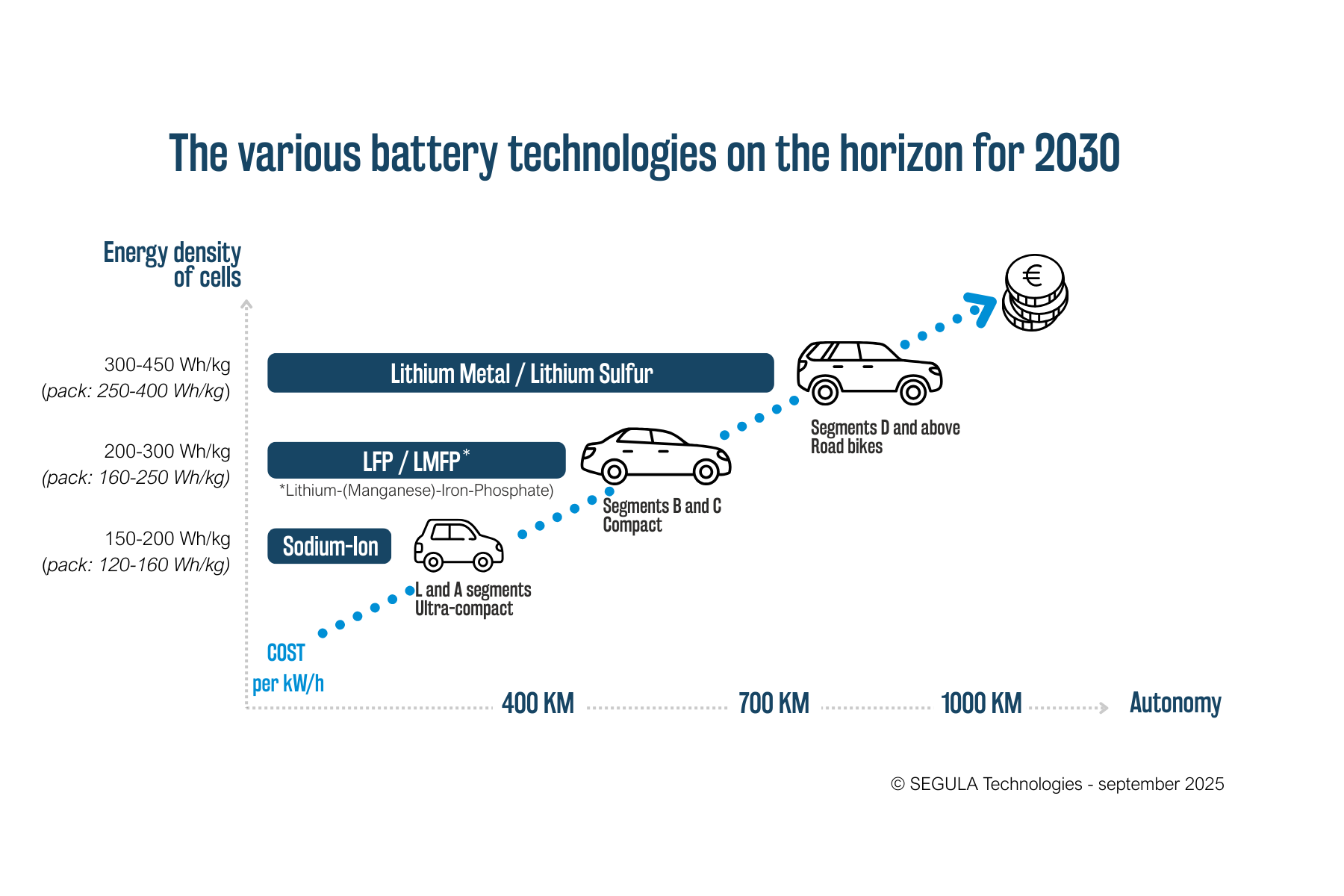
n the coming years, the market is expected to be structured around three complementary families of batteries. High-end solid-state lithium metal batteries will offer the best performance for premium vehicles seeking maximum range. Intermediate LFP and LMFP batteries will find their place in mainstream vehicles, offering a good balance between price, safety, and performance. More affordable sodium-ion batteries will be used in small city cars where range is not the top priority. All these technologies will offer fast charging, but will differ in terms of range, lifespan, and cost.
Innovation driving the transition
Semi-solid batteries perfectly embody the current dynamics of the automotive industry: they are mature enough to be mass-produced now, powerful enough to transform the electric driving experience, and pave the way for the solid batteries of tomorrow. By offering reassuring range and fast charging at a controlled cost, they are helping to remove several barriers to purchasing an electric vehicle.
Solid-state batteries will be particularly well positioned in the market and are expected to appear at the end of this year in China, Europe, and potentially France, particularly in their semi-solid form. However, their large-scale deployment will take place over the next 5 to 10 years.
Did you know? Today in France, only 1.5 million out of 43 million vehicles are 100% electric, representing around 3% of the total fleet. The average age of French cars is 11.5 years, one of the highest in Europe. Renewing the fleet is therefore a major challenge.



 FOR A BETTER EXPERIENCE