label_hover_video Read

share.page_on

News 13.09.2026
Rail: a closer look at assembly cathedrals

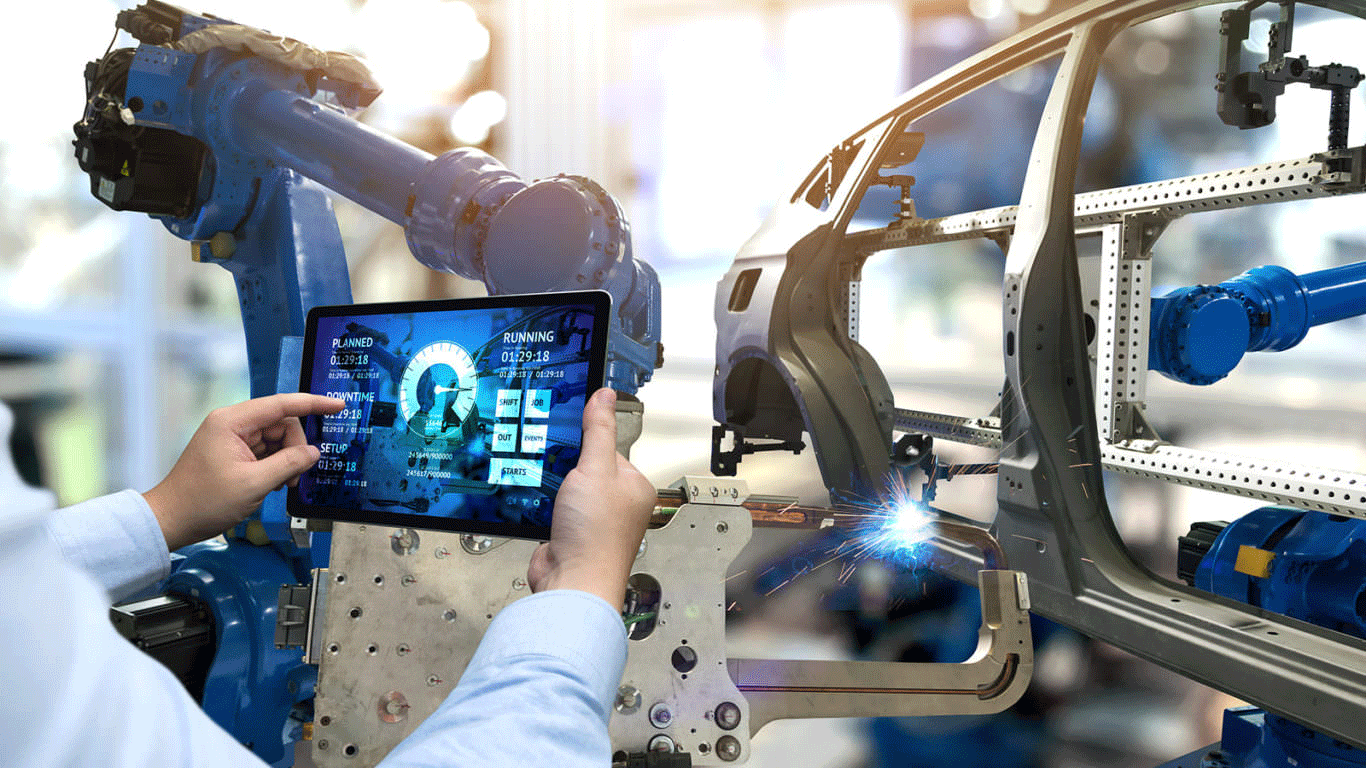
This is a physical challenge that is often overlooked: the metal structures of a railcar are about 20 meters long and only a few millimetres thick. At this scale, these large components behave like a flexible sheet that sags under its own weight, creating real challenges for assembly and welding. To meet this challenge, a specialist unit deploys SEGULA’s ‘assembly cathedrals’.

Assembly “cathedrals” designed by SEGULA

As Grégory Matuszak, business unit manager, explains, these high-precision systems hold and stabilise these flexible assemblies to ensure flawless assembly: “The jigs ensure repeatable positioning to within a tenth of a millimetre, whilst the clamps and support points, strategically positioned, minimise deformation and compensate for the natural sagging of the materials.”

Beyond geometric precision, this equipment is designed to deliver significant savings in production time: “By automating and ensuring the reliability of the body’s clamping and positioning, we eliminate tedious manual alignment steps, thereby speeding up manufacturing cycles and optimising the factory’s production rate,” emphasises Grégory Matuszak.

Ergonomics and safety are also enhanced to meet HSE (Health, Safety, Environment), which have become a priority in modern industry: “These requirements are at the heart of our designs, which incorporate secure access systems, assisted handling equipment and optimised workstations to reduce physical strain, the risk of musculoskeletal disorders and accidents.”

Thanks to their comprehensive mastery of these innovations, the teams ensure that the vehicle body is rigid and fully compliant with customer specifications, whilst driving their factory towards the industry standards of the future.
Comprehensive expertise, from design to installation

SEGULA offers a comprehensive, turnkey solution, from the initial technical data right through to commissioning at customer sites:

“Our design office in France ensures a bespoke and controlled design process by carrying out 3D and 2D studies before our production plant in Romania manufactures the tooling.

The installation and commissioning of the tooling are carried out by multidisciplinary teams who are experts in highly complex mechanical systems,” explains Grégory Matuszac.

Beyond the ‘assembly cathedrals’: tools designed for every train sub-assembly

SEGULA’s expertise extends beyond ‘assembly cathedrals’. Modular solutions are integrated to address the challenges posed by the diversity of rolling stock and the space constraints of each client’s workshops:

“In the lower sections of trains, our expertise lies in creating motorised devices designed to facilitate and optimise the handling of, and access to, heavy components such as bogies (axles and wheels).

To access the upper sections of the vehicle, we design and manufacture modular access platforms. These incorporate standardised solutions and height-adjustable sliding systems, which allow for the rapid reconfiguration of tools according to the type of vehicle.”

The strength of multidisciplinary teams

Behind these metal giants, a design office brings together a wide range of expertise: draughtsmen, electrical automation engineers, structural engineers and project managers. These professionals stand out for their versatility and their ability to manage complex systems, such as the radio-controlled movement of components weighing over ten tonnes.

From construction to modernisation: the same high standards

Whilst this industrial expertise is the key to success for new vehicles, it is just as vital for the modernisation of historic fleets, such as the Cairo or Athens metro systems. Refurbishing a train is, in a sense, ‘re-manufacturing’ it: cutting-edge technologies must be integrated into existing structures without compromising the technical consistency of the fleet.

Whether we are assembling a state-of-the-art Urbos train set or orchestrating the major refurbishment of trains that have been in service for decades, the tools remain the same. The parts list, change management via SAP and the precision of the manufacturing process ensure that, even twenty years after they first entered service, these trains continue to meet the same global standard of excellence.

PRODUCTION FACILITIES IN ROMANIA, AT THE CLUCEREASA SITE

A major manufacturing plant based in Clucereasa in southern Romania is supported by a team of experienced staff, with an average length of service of nine years. Focused on bespoke manufacturing rather than mass production, the plant serves several sectors, including the railway industry, and specialises in the production of large structures, platforms, jigs and bogies designed to support the production and maintenance activities of equipment manufacturers. To this end, the 15,000 m² site boasts comprehensive technical capabilities, including manual and robotic welding stations, machining equipment, a spacious sandblasting booth and a large paint shop. Operational rigour is ensured through four types of non-destructive testing and precise metrological monitoring using 3D scanning or a laser tracker. Certified to ISO 9001, 9050 and 14001, the site is currently preparing for CWB (Canadian Welding Bureau) certification, the Canadian body that guarantees the conformity and safety of welded assemblies in accordance with CSA standards, to open up new opportunities in the Canadian market.

Mobile FOR A BETTER EXPERIENCE

ROTATE YOUR TABLET